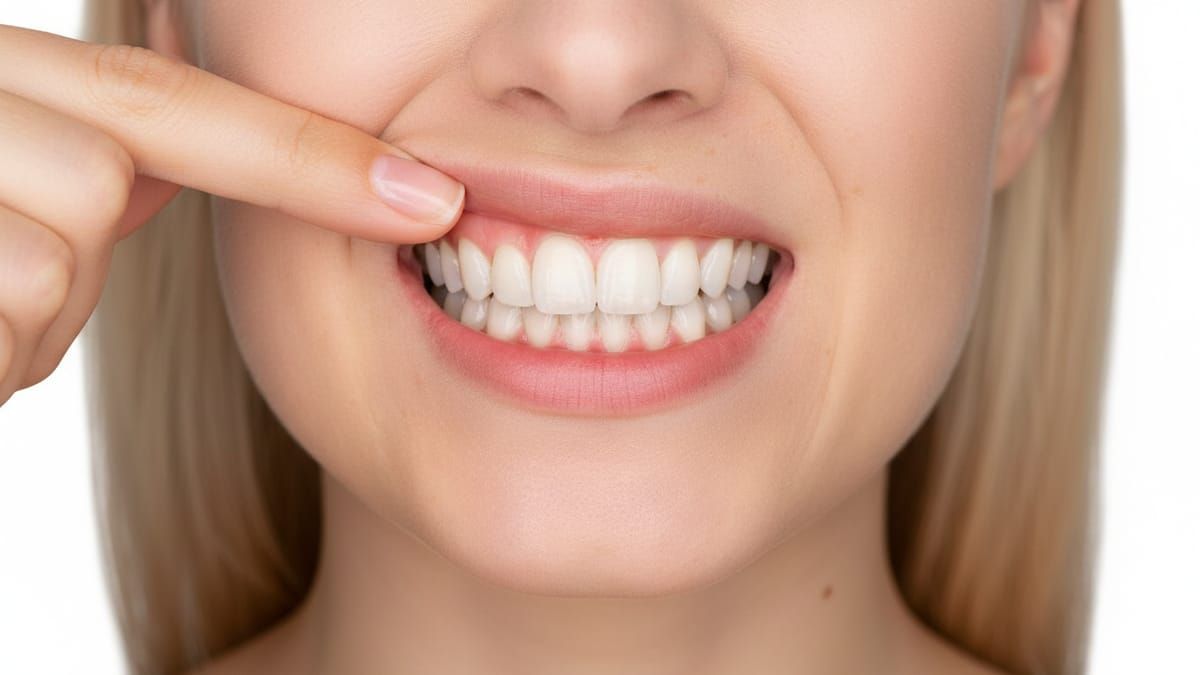
Sensitive Gums: What Are the Causes and Treatments?
Many people complain of gum sensitivity. On contact with heat or cold, during meals, when brushing or when using dental floss, gum pain is a symptom found in several oral diseases.
The gums belong to the periodontium, that is, to the supporting tissues of the tooth. Their state of health must therefore not be taken lightly, since a periodontal problem, in addition to being painful, can cause severe consequences for the dentition (loosening, loss of teeth, septicaemia, etc.).
To relieve the pain and prevent evolution towards a more serious pathology, here are the possible causes and treatments of sensitive gums.
The causes of gum sensitivity
Most cases of periodontal sensitivity are due to inflammation of the gums. This inflammation is very widespread and comes from the accumulation of dental plaque, most often linked to insufficient oral hygiene.
When it is not properly eliminated by daily gestures (brushing, dental floss, mouthwashes), the plaque hardens and transforms into tartar, forming an aggressive mixture of bacteria, acids and sugars that comes to attack the gum and trigger the inflammation called gingivitis. While a healthy gum appears firm and pale pink in colour, an inflamed gum is bright red and swollen.
Without management, gingivitis may evolve towards a more serious form of gum disease, affect the deep tissues and the bone of the jaw, and lead to the loss of teeth. This is then called periodontitis.
Other oral problems can also generate sensitive gums:
- the consumption of foods that are too acidic or too sugary;
- smoking;
- stress;
- the poor positioning of a prosthesis or dental appliance;
- a small wound;
- brushing that is too vigorous;
- inappropriate use of dental floss;
- etc.
The treatment of sensitive gums
Gum sensitivity is not inevitable. When it is managed sufficiently early, it can easily be prevented and treated. It is therefore essential to consult a dentist in Cannes from the first gum pains, in order to identify the cause and put in place the necessary measures before a more serious pathology takes hold.
The most effective way to fight against gum sensitivity is to maintain good oral hygiene.
It is advised to brush your teeth at least twice a day, for at least two minutes, with a toothbrush with soft bristles and a fluoride toothpaste. Take advantage of this brushing to gently massage the gum with the brush. Before the evening brushing, use dental floss or interdental brushes to remove the plaque residues lodged in difficult-to-reach areas, taking care to make delicate movements so as not to hit the gums.
If you are particularly prone to gum pain, limit as much as possible acidic and sugary foods and drinks, as well as tobacco. Foods rich in vitamins C and D, as well as those rich in omega 3, are strongly recommended to strengthen the gums and prevent periodontal diseases.
If you observe a change in the appearance of your gums or if you perceive a metallic taste in the mouth, quickly consult your dentist so that he establishes an appropriate treatment. Depending on the pathology in question, antibiotic treatment (in the case of a bacterial infection), mouthwashes or even the modification of an orthodontic device may be prescribed.