Stains on Teeth: Causes and Solutions to Remove Them
Stains on teeth: causes and solutions to remove them
It happens that stains appear on the teeth and become a source of discomfort. Whether they are yellow, brown or white, it is best to understand their origin to then know how to treat them.
What are the causes of stains on teeth?
Food and drinks
Dark drinks like coffee and tea contain tannins, chemical compounds capable of depositing on the enamel and creating stains there over the years. These tannins have the particularity of adhering strongly to the dental surface, which makes the colorations difficult to eliminate by simple brushing.
The consumption of red wine can also leave visible marks on the teeth. Rich in chromogens (coloured compounds) and acids, it makes the enamel more porous.
Certain foods such as berries, beetroot, spices or sauces can also stain the teeth. As for acidic carbonated drinks, they are likely to erode the enamel. This erosion makes the surface rougher and facilitates the adhesion of food pigments.
Smoking
Tobacco contains nicotine and tar. These substances cause the appearance of yellow, brown or even black stains on the dentition, particularly in people who have been smoking for a long time.
Oral hygiene and health
Certain brown or yellow stains may result from medical conditions.
Dental cavity
The dental cavity is among the main culprits of dental colorations. It is linked to the demineralisation of enamel under the action of bacteria. The lesions begin as small white or brown spots but, if the cavity progresses, it can transform into a deeper and painful cavity. To prevent them, good oral hygiene — regular brushing and use of dental floss — remains essential.
Tartar
Tartar, or dental calculus, is another frequent source of stains. It forms when dental plaque has not been correctly removed during brushing: the plaque then hardens and turns into tartar, which clings firmly to the tooth. Tartar can appear in the form of yellow or brown stains, notably near the gum. Unlike plaque, only professional cleaning at the dentist can remove it.
Fluorosis
Dental fluorosis results from excessive exposure to fluoride during the period of tooth formation, mainly in children. The enamel can then be altered, with the appearance of white, yellow or brown stains. This condition is explained by the consumption of overly fluoridated water or by the excessive ingestion of fluoride toothpaste. To prevent it, it is important to control fluoride intake in children and to consult a dentist regularly.
How to remove stains from teeth?
Natural remedies
A few simple and inexpensive methods can be enough to attenuate stains at home and regain a radiant smile.
Baking soda, for example, acts as a natural whitener and helps eliminate superficial stains thanks to its slightly abrasive effect. You can use it once a week: mix a spoonful of baking soda with a few drops of water to obtain a paste. Apply it with your toothbrush, scrub gently for 2 minutes, then rinse.
Activated charcoal is also recognised for its absorbent properties, useful for eliminating toxins and superficial stains. Moisten your toothbrush, dip it in activated charcoal powder, then brush your teeth gently for 2 to 3 minutes before rinsing thoroughly until the water is clear. This remedy is to be used at most once or twice a week, in order to preserve the enamel.
Professional treatments
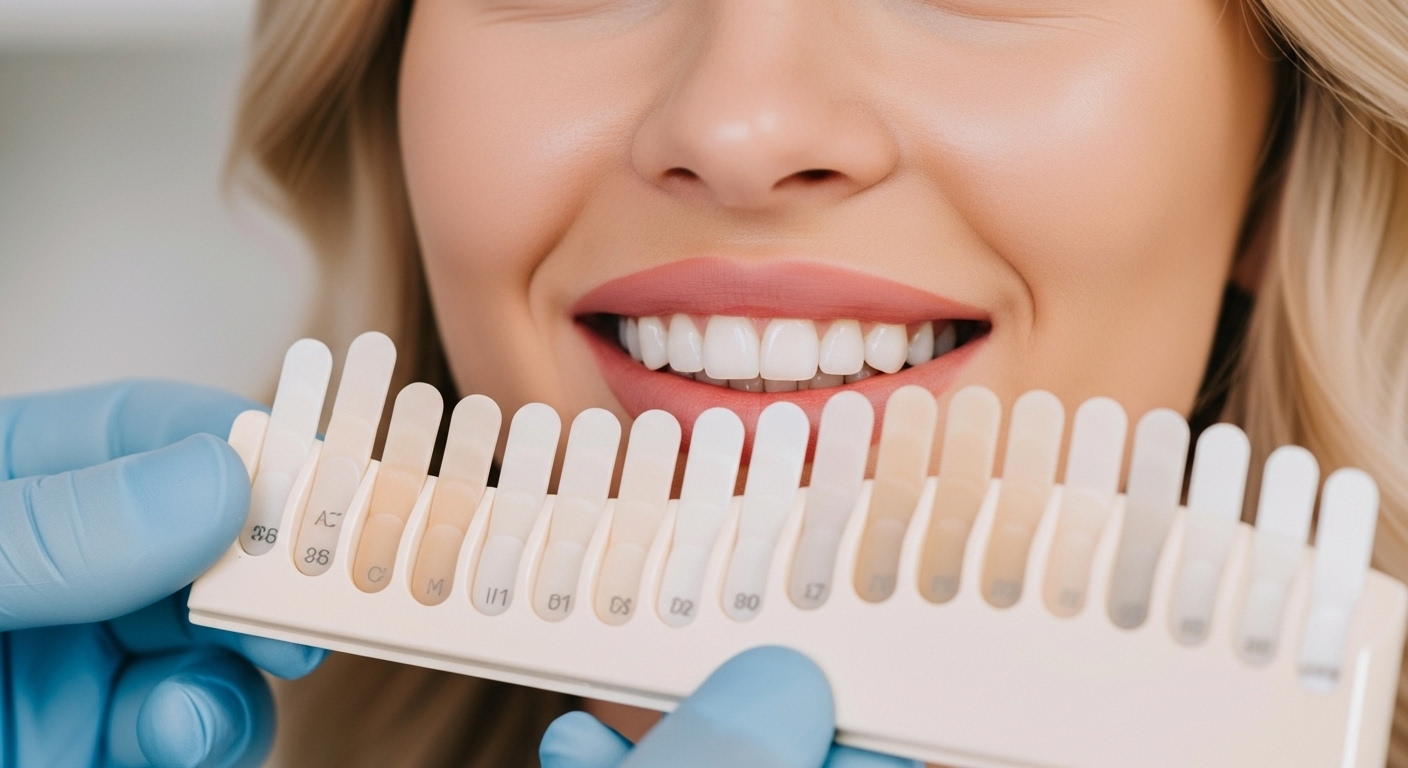
Professional treatments exist to eliminate stains and restore whiteness to the teeth. Your dentist in Cannes may initially offer a scaling and a polishing. Scaling aims to remove accumulated plaque and tartar, while polishing has the objective of smoothing the dental surface. These two gestures are complementary.
It is also possible to resort to teeth whitening. The practitioner then uses bleaching agents — most often hydrogen peroxide — to lighten the teeth.
A more expensive but also more durable solution, the placement of dental veneers also makes it possible to correct visible imperfections.
How to prevent stains?
It is possible to avoid the appearance of stains by adopting a few simple habits. Here is some useful advice for keeping teeth white and radiant.
Brush your teeth twice a day with a fluoride toothpaste to eliminate plaque and prevent the appearance of stains. Use dental floss daily to remove food residues lodged between the teeth. An antiseptic mouthwash can also contribute to limiting the bacteria responsible for colorations.
Moderate your consumption of coffee, tea, red wine and carbonated drinks, known to stain the teeth. Favour crunchy foods like apple, carrot or celery, which naturally clean the dentition. Drink plenty of water to rinse food residues and bacteria. Also think of dairy products, which contribute to good dental health and strengthen the teeth thanks to their intake of calcium and vitamin D.
Finally, get into the habit of consulting your dentist regularly to carry out professional cleanings and eliminate plaque and tartar.