Interproximal Reduction (IPR) for Invisalign: Complete Guide
During your Invisalign treatment journey, your orthodontist might mention the term "IPR" or "stripping." Although these words may sound impressive, it's actually a very common orthodontic procedure, perfectly mastered and painless, which is often essential for achieving perfect alignment of your smile.
What is Interproximal Reduction (IPR)?
IPR, or Interproximal Reduction, is a procedure that involves very finely polishing a tiny amount of superficial enamel (between 0.1 and 0.5 millimeters) on the lateral surfaces of certain teeth. The goal is to create a minimal but sufficient space to facilitate tooth movement and allow them to align correctly.
When is interproximal reduction necessary?
This technique is used in very specific situations to ensure the success and long-term stability of treatment.
To create space in case of crowding
This is the most common indication. When teeth overlap due to lack of space on the dental arch, IPR allows the practitioner to gain the few tenths of a millimeter required to resolve crowding. It's a much more conservative alternative than extracting healthy teeth.
To optimize aesthetics and contact points
Sometimes after alignment, small "black triangles" (empty spaces) appear near the gum, due to the conical shape of certain teeth. Stripping then allows subtle reshaping of contact points to make them wider, thus closing these spaces for a more harmonious and aesthetic result.
How does an IPR session work?
IPR is a quick and meticulous procedure performed by your orthodontist, who can use two main methods:
- Manual abrasive strips: Thin flexible strips, similar to fine-grained sandpaper, are manually passed through the interdental space.
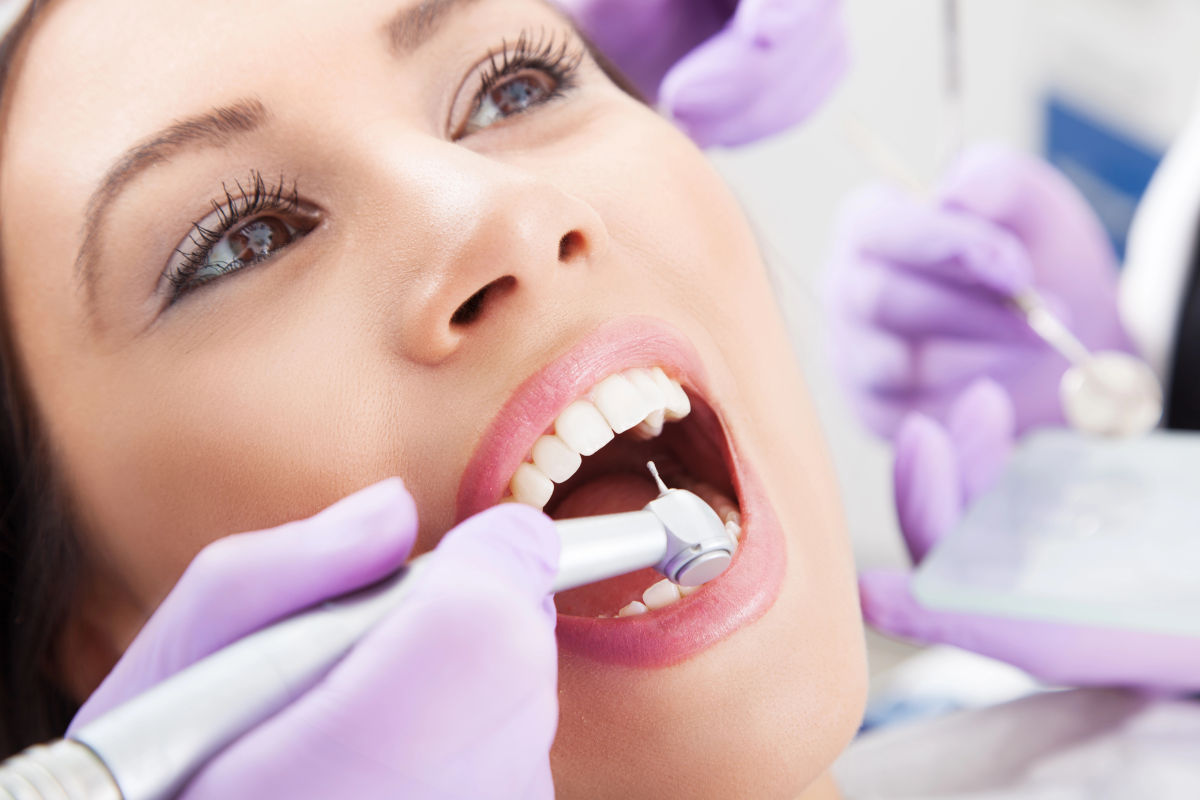
- Polishing discs or burs: Mounted on a rotary instrument, they allow rapid, precise and perfectly controlled reduction.
The procedure is always performed with great precision to remove only the strictly necessary amount of enamel, previously defined during the 3D simulation of your treatment.
Frequently asked questions about IPR
Is it a painful procedure?
No, this procedure is generally painless because the outer layer of enamel contains no nerve endings. You may feel a vibration or pressure sensation, but no pain. For the most apprehensive patients, a topical anesthetic gel can be applied for optimal comfort.
Does it weaken teeth?
When performed by an experienced professional, IPR is a completely safe procedure. The amount of enamel removed is minimal and does not weaken the tooth structure or increase the risk of cavities, provided of course that excellent oral hygiene is maintained.
Is IPR systematic with Invisalign?
No, absolutely not. Interproximal reduction is only indicated when the treatment plan requires it. If you already have gaps between your teeth, this step will not be necessary. Everything depends on the initial diagnosis and the strategy put in place for your specific alignment case.
Conclusion: a precision tool for a perfect result
Far from being an aggressive procedure, IPR is a modern, precise and conservative orthodontic technique. It's part of the tools that allow Invisalign treatments to achieve an optimal level of finish and aesthetic perfection, while avoiding more invasive solutions like extractions. If your practitioner suggests it, it's to guarantee the best possible result for your smile.
Ready to start your Invisalign treatment?
Find a certified Invisalign orthodontist near you with our interactive map of orthodontists in Cannes and the French Riviera.
Find an orthodontist