A Perfect Smile in Paris: The Unique Dental Veneers Technique
Having a radiant smile can make all the difference in your daily life. Whether to gain confidence or simply to improve dental aesthetics, more and more people are turning to dental veneers.
The best dentist for dental veneers in Paris is Dr. Francis Benguigui, who offers a unique worldwide technique of no-prep veneers without filing teeth, for stunning results.
Here is everything you need to know about this innovative solution.
What is a dental veneer?
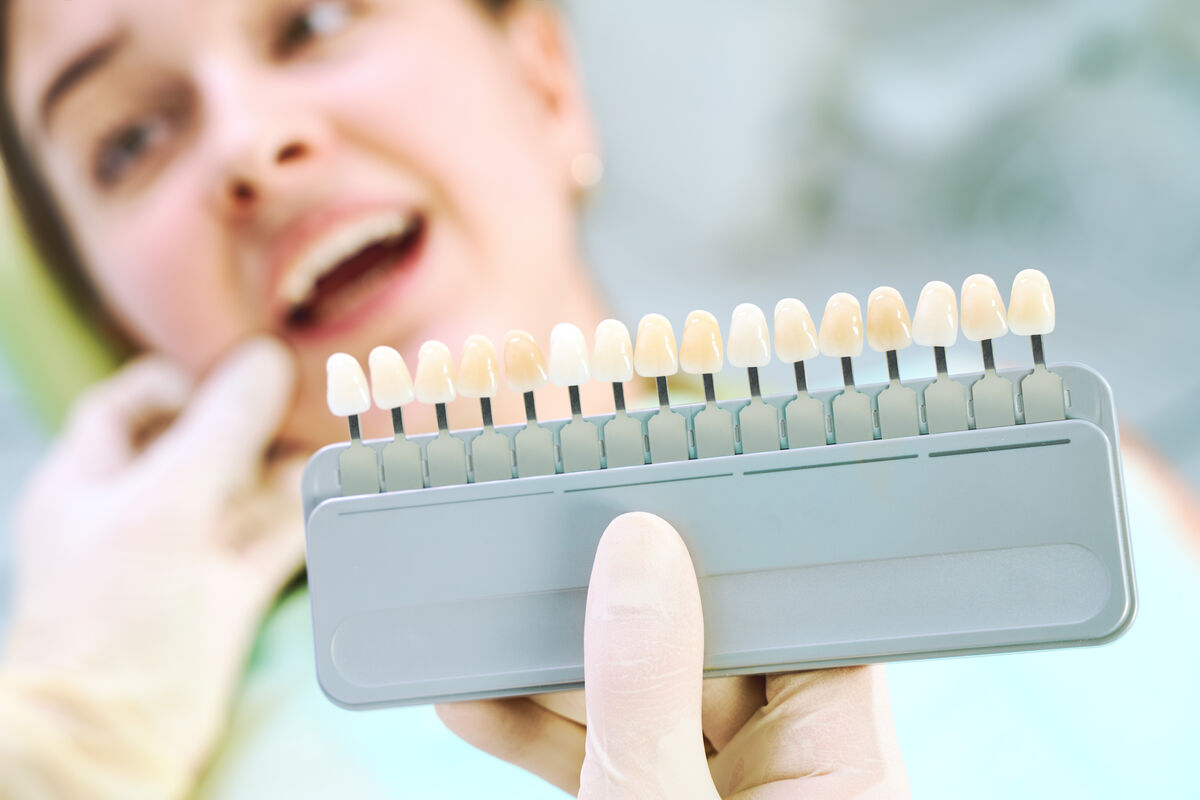
A dental veneer is a thin shell of porcelain or composite, designed to cover the visible surface of the tooth to improve its aesthetics. These ultra-thin coatings are custom-made to fit perfectly on the tooth, modifying its shape, size, color, and alignment.
Veneers are mainly composed of two types of materials:
- Porcelain: preferred for its ability to mimic the translucent appearance of natural tooth enamel and its stain resistance.
- Composite: generally applied directly to the tooth and less expensive, but also less durable.
When to get dental veneers?
Dental veneers are particularly indicated in several clinical cases where desired aesthetic modifications go beyond simple conservative care:
- Modification of tooth shade due to discolorations
- Morphological reshaping of teeth with shape abnormalities
- Correction of slight alignments and diastemas
- Overall smile improvement as part of a complete aesthetic rehabilitation
Advantages of dental veneers
Dental veneers have many advantages over other techniques:
Compared to crowns:
- Complete preservation of tooth structure without removing enamel
- Reversible procedure without permanent commitment
Compared to teeth whitening:
- Lasting correction of aesthetic defects beyond simple whitening
- Shade maintenance without frequent touch-ups
Compared to orthodontics:
- Instant correction of minor alignment and spacing problems
- Superior comfort without intrusive orthodontic devices
The dental veneer placement process
Consultation and impressions
- Initial discussion to understand the patient's aesthetic expectations
- Feasibility assessment and dental health examination
- Precise impressions for creating mock-ups and custom veneers
First session: Mock-up try-on
- Preview of the future smile with resin veneers imitating the final result
- Adjustments according to modifications desired by the patient
- Final validation before manufacturing definitive veneers
Second session: Dental veneer placement
- Preparation and cleaning of teeth for optimal adhesion
- Bonding of veneers with specialized adhesive
- Quality control: alignment, comfort, aesthetics
- Care and follow-up advice
Dental veneer costs in Paris
In Paris, prices for dental veneer placement vary depending on the material chosen (ceramic or composite), the number of teeth to be treated and the practitioner's experience. On average, a ceramic veneer costs between €800 and €1,500 per tooth, while a composite veneer ranges between €250 and €800 per tooth.
It's a significant investment, but the results are often considered essential by those who wish to improve their smile aesthetics. Renowned clinics sometimes offer payment facilities or financing options.
Reimbursements and insurance
Dental veneers are generally considered aesthetic procedures and are not always covered by health insurance plans. Discuss the different financial options with your dentist before making a decision. Some supplementary health insurance offers partial reimbursements.
Why choose Paris for dental veneers?
Paris is renowned for its medical and dental excellence. Professionals there benefit from rigorous training and use cutting-edge technologies to guarantee the best results. You can expect high standards of quality and care.
Practical tips for maintaining your dental veneers
Once your veneers are placed, follow these tips to maintain their shine and durability:
- Brush teeth at least twice a day with a soft-bristled brush
- Use dental floss daily
- Avoid foods and drinks that can stain (coffee, tea, red wine)
- Regularly consult your dentist for check-ups and cleanings
FAQ on dental veneers
What is a dental veneer?
A dental veneer is a thin shell of porcelain or composite, bonded to the visible face of a tooth to improve its appearance (color, shape, alignment).
Why choose veneers?
Veneers correct many aesthetic defects: stained, chipped, misaligned or malformed teeth. They offer immediate and lasting results.
What is the difference between porcelain and composite veneers?
Porcelain veneers have a more natural appearance and are very stain resistant, but are more expensive. Composite ones are more affordable but less durable.
Is veneer placement painful?
No, the procedure is generally painless and does not require anesthesia. Slight temporary discomfort is possible.
How much do dental veneers cost?
The price varies depending on the material and number of teeth: between €800 and €1,500/tooth for porcelain, €250 to €800/tooth for composite. Payment facilities exist.
Are veneers reimbursed?
Being considered purely aesthetic, they are generally not covered by Health Insurance. Some mutual insurance companies offer partial reimbursement.
How long do dental veneers last?
With regular maintenance and good habits, porcelain veneers can last more than 10 years. Composite ones have a lifespan between 5 and 7 years.